The Coaching Team

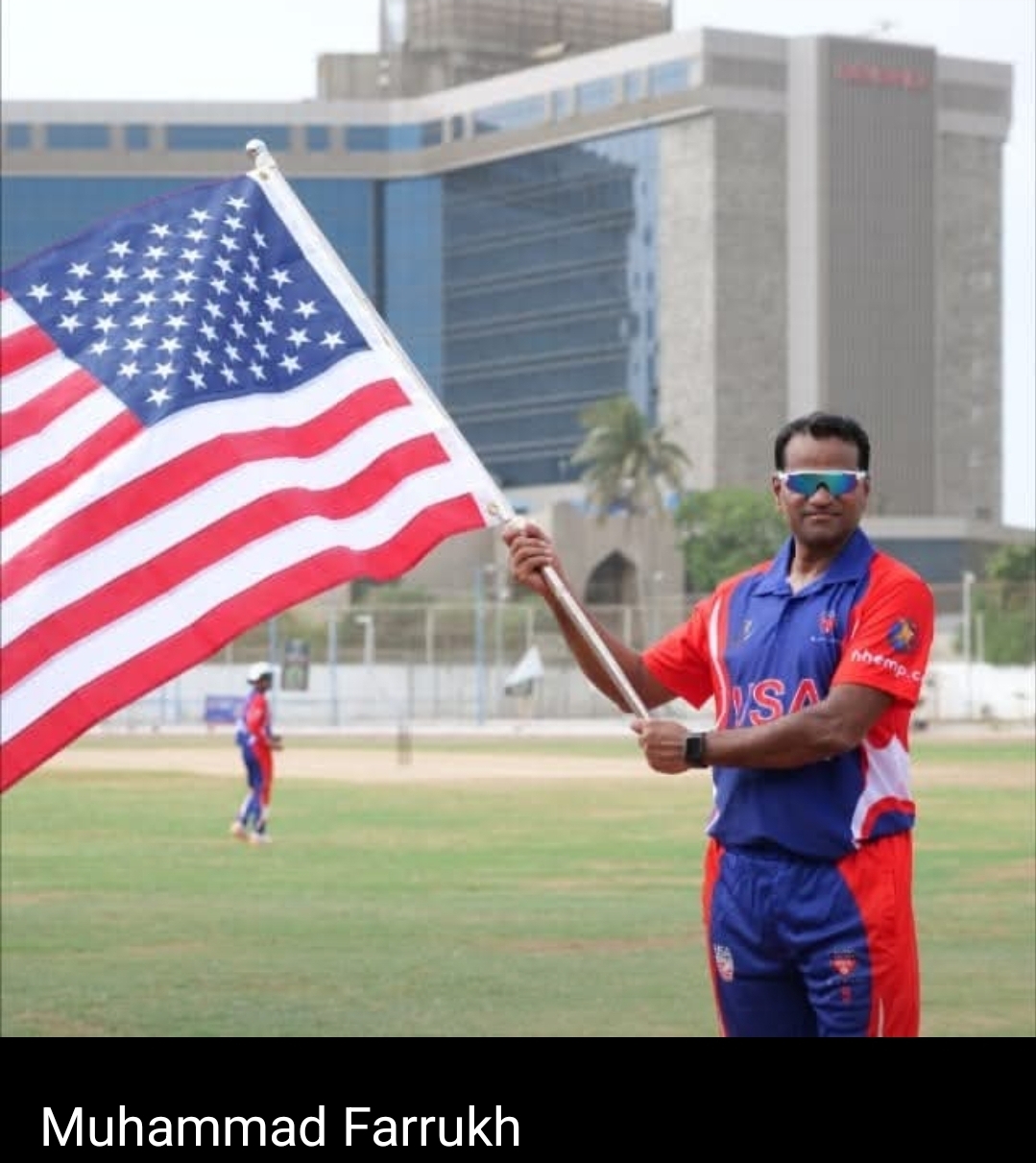
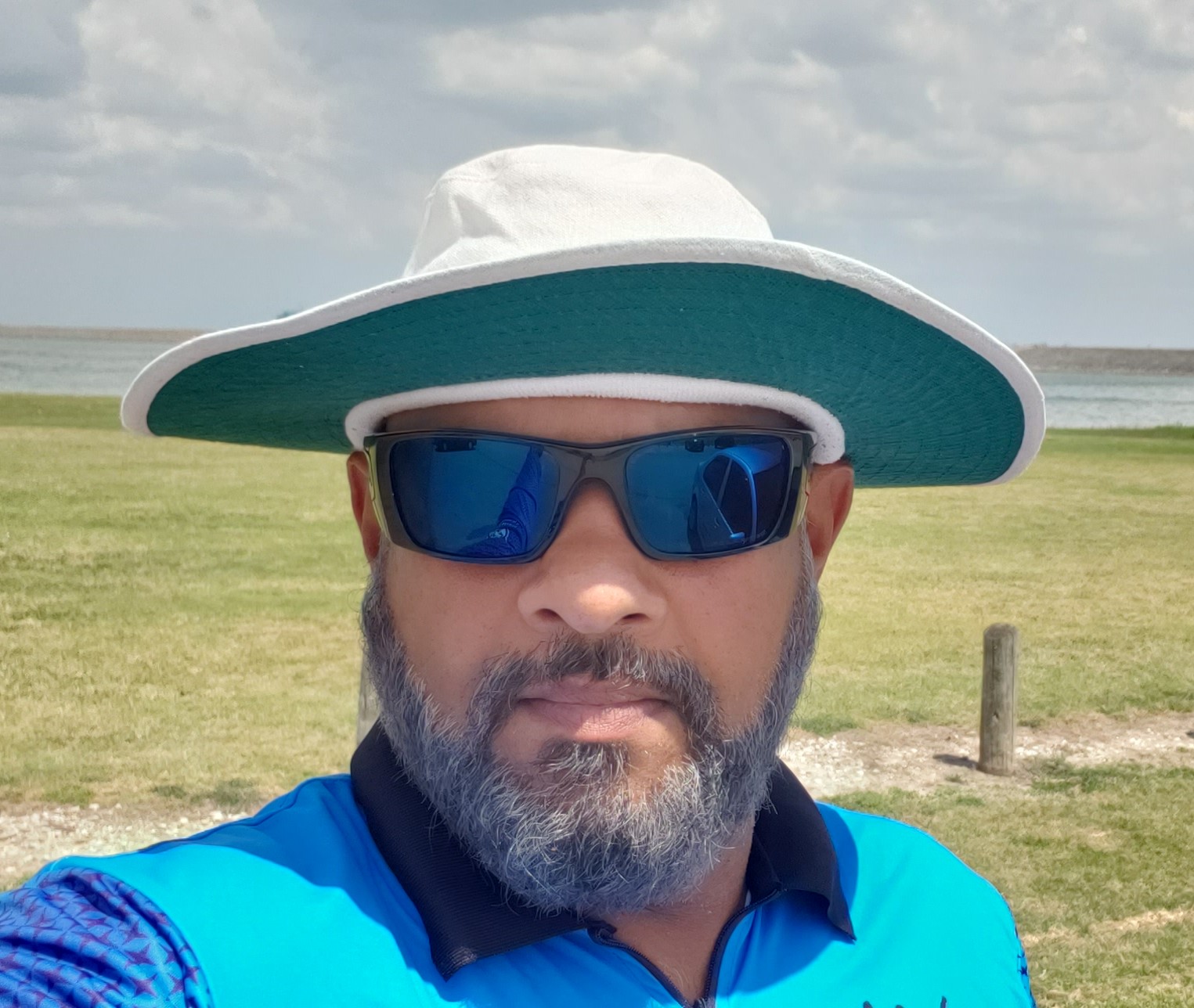
Muhammad Farrukh

Muhammad Farrukh

Head Coach

International & First-Class Cricketer | ECB Qualified Coach. 20+ years of coaching experience across Australia, England, Ireland, Pakistan, and the USA. Focused on developing young cricketers' skills, technique, and game fundamentals.

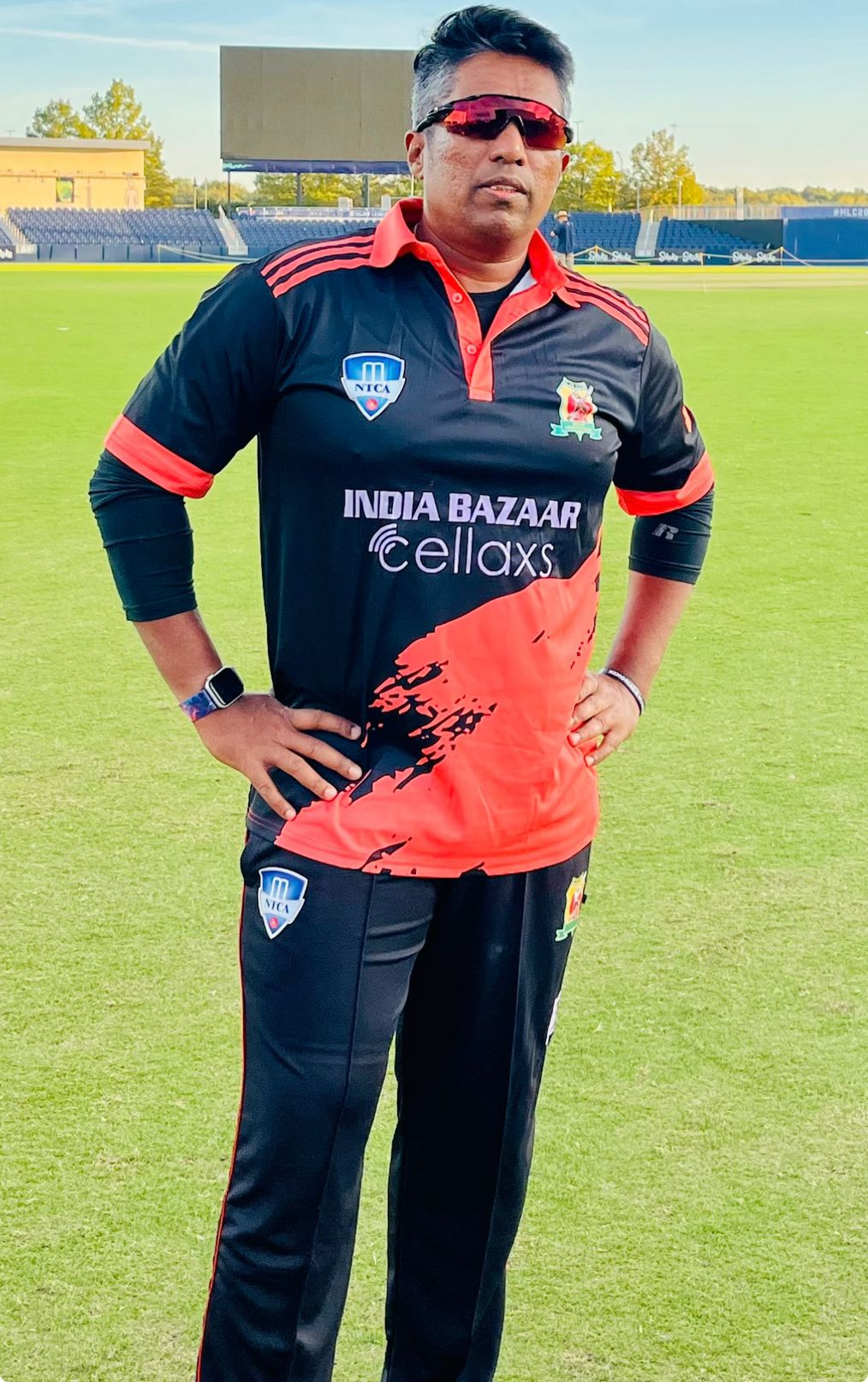
Siddharth R

Siddharth R

Assistant Coach

Former competitive cricketer with notable experience representing Delhi at the U-16 and U-19 levels, as well as in the highly competitive DDCA league. As an Assistant Coach, he leverages his deep understanding of rigorous youth cricket to help players transition to higher levels of competition.

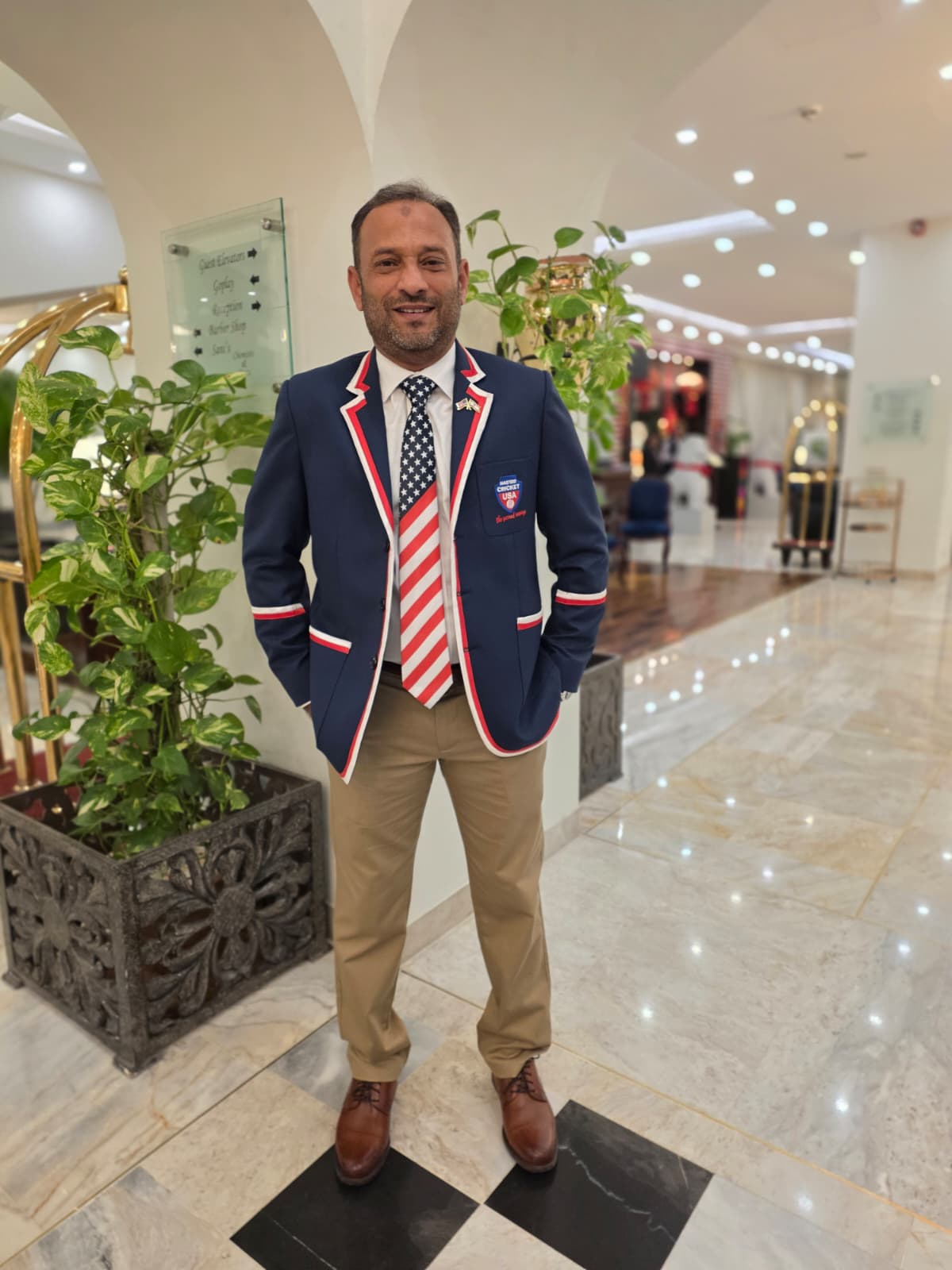
Abdul Qadir

Abdul Qadir

Assistant Coach

ICC-certified coach with 10+ years of experience in group and one-to-one cricket coaching. Specialized in player development, performance improvement, and technical skill enhancement. International and domestic cricketer with extensive practical knowledge of the game.

GM Saifuddin

GM Saifuddin

Assistant Coach

Former First-Class Cricketer with extensive competitive experience, featuring in First-Class Cricket (2005–2011) and the Dhaka Premier League (2004–2013). Also represented at both U-17 (2002) and U-19 (2004) levels, showcasing a strong foundation in elite youth cricket.

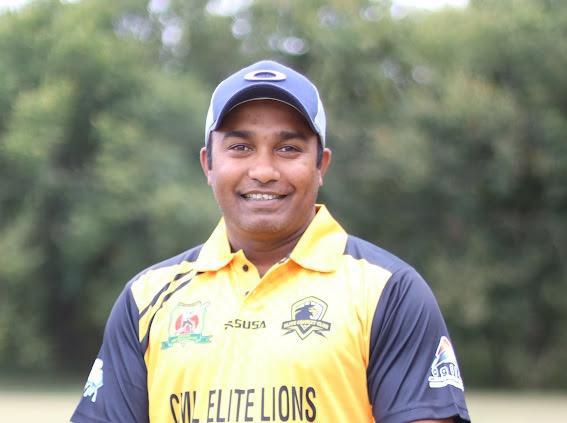
Srinath Tirumala Kumara

Srinath Tirumala Kumara

Assistant Coach

Passionate cricketer actively competing in Dallas and New Jersey cricket leagues, with a strong club cricket background from Karnataka. Dedicated to youth development, focusing on nurturing natural talent and building confidence in young players.

Pradipta Dasgupta

Pradipta Dasgupta (PD)

Assistant Coach

ICC Certified Coach with over 35 years of cricket experience. Extensive playing and coaching background in CAB India and Texas cricket leagues, specializing in building strong fundamentals, confidence, and overall player development

Frequently Asked Questions

You get playing before anything gets changed. A coach watches you bat or bowl at your normal rhythm, asks what level you play at and what is frustrating you, then picks one or two things worth fixing. The rest of the session goes on those. You leave with something specific to practice, not a long list.

Most sessions run in three parts. A warm-up with easy hitting or bowling to loosen up, a technical block where the coach works on one clear fault, then live repetition where you apply the change under pressure. That last part matters most, because a technical change only counts once it survives a real delivery.

Coaches measure it against the thing you came in to fix, not a general feeling. That might be how many balls out of a set you play into the right area, where your deliveries are landing across an over, or whether a change holds when the pace goes up. Work carries over between sessions so you are not restarting each visit.

Usually the foundations everything else sits on: balance at the moment of release, head position, and whether your first movement helps you or gets in your way. A lot of problems that look like a bat path issue turn out to be balance. Once you are still and set, placement and shot selection get far easier to coach.

Run-up and rhythm first, well before anything to do with the arm. Inconsistent lengths usually trace back to an approach that changes ball to ball, a jump that varies, or a front foot landing in a different spot each time. Coaches also check alignment through the crease and follow through, since both quietly decide where the ball finishes.

Regular short sessions beat occasional long ones. A technical change needs repetition close enough together that your body does not reset in between, so training weekly through a block of work does far more than one big session a month. Many players pair a coached session with separate lane time to rehearse what they were given.

Bring your own bat if you own one, since coaching around an unfamiliar bat weight is harder than it sounds, plus gloves and whatever protective gear you normally use. Water and a spare shirt help. The most useful thing you can bring is a specific problem, like the shot you keep missing or the ball that keeps getting you out.

Competition and recovery. In a small group you bowl at someone actively trying to score off you and you bat against live bowling rather than a feed, which is much closer to a match situation. You also get rest between turns, so the quality of your work holds up late in the session instead of falling away.

The content overlaps but the delivery does not. Juniors are taught in smaller pieces with more repetition, building movement habits that are still forming. Adults usually arrive with a settled technique and a specific complaint, so sessions lean toward diagnosing what changed and building a fix that works with whatever your body currently allows.

Once you want a direction rather than a single fix. One-off sessions are ideal for solving one problem ahead of a season or a tournament. The academy suits players who want continuous development across months, with coaches building on earlier work instead of starting a fresh conversation every time you walk in.